
Get Retaining Wall Replacement
Retaining Wall Replacement services help property owners fix or replace damaged or unstable walls to improve safety, prevent erosion, and support landscaping projects.
Retaining wall replacement is a practical solution for property owners looking to enhance the stability and appearance of their outdoor spaces. Whether dealing with shifting soil, erosion concerns, or simply updating an aging structure, replacing a retaining wall can improve both safety and curb appeal. Property owners in the area often explore this work to maintain the integrity of their landscape, prevent property damage, and support future landscaping projects. If you are considering a retaining wall upgrade, it’s helpful to compare local service providers who specialize in this type of work.
Finding the right local contractors for retaining wall replacement involves assessing experience, reputation, and the range of services offered. Many property owners take the opportunity to review options, ensuring they select a provider with the skills to handle the project efficiently and effectively. Keep reading to learn more about how to connect with qualified professionals in the area who can help bring your project plans to life.
- Retaining Wall Replacement - homeowners needing to replace aging or damaged retaining walls to maintain landscape stability.
- Retaining Wall Replacement - property owners seeking to upgrade or improve the appearance of their outdoor spaces with new retaining structures.
- Retaining Wall Replacement - individuals requiring a stronger or more durable wall to support increased soil pressure or load.
- Retaining Wall Replacement - clients planning renovations that involve reshaping or leveling terrain on their property.
- Retaining Wall Replacement - those looking to correct structural issues caused by shifting or settling retaining walls.
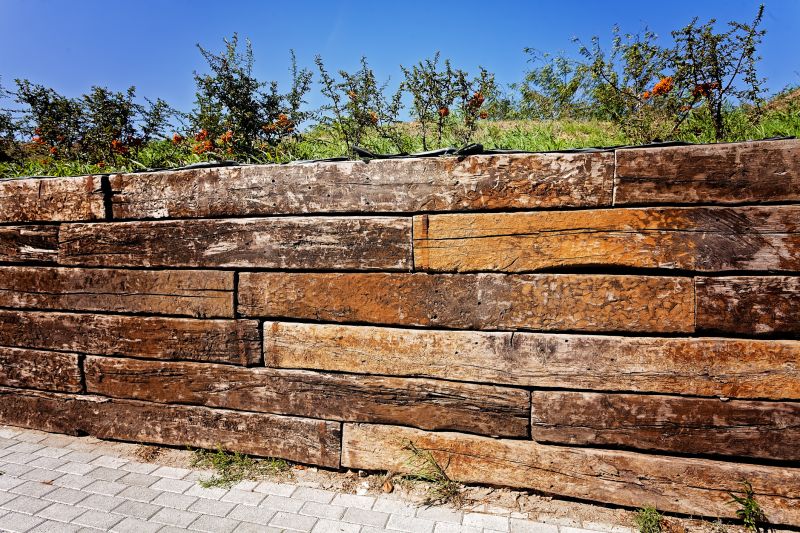
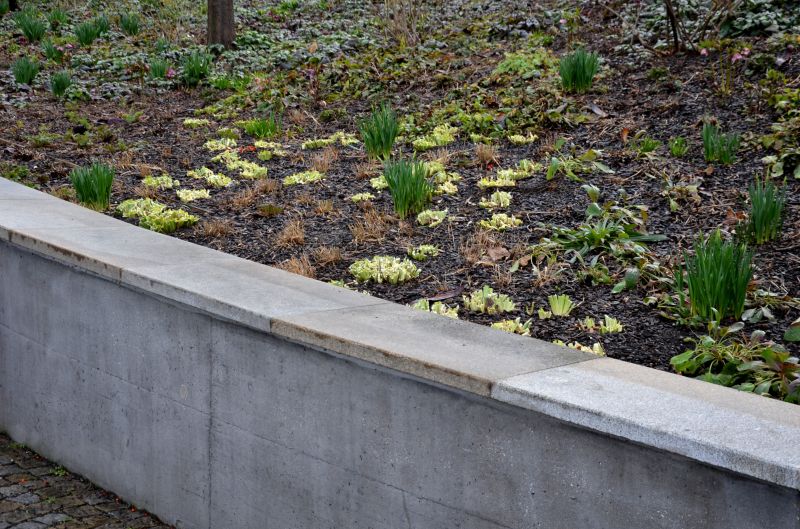
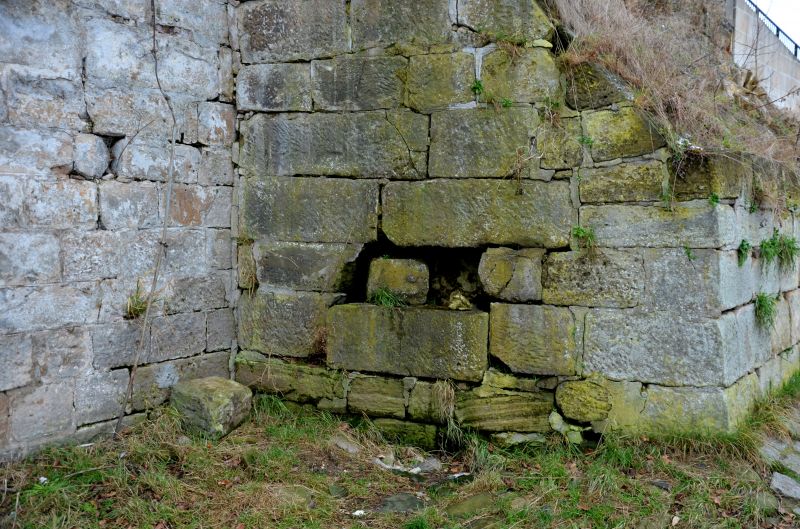
Retaining wall replacement services involve removing old or damaged walls and installing new structures to support soil and prevent erosion. These walls are typically made from materials such as concrete, stone, or timber and are designed to hold back earth on slopes or uneven terrain. The process often includes assessing the site, excavating the area, and carefully constructing a durable wall that can withstand environmental pressures. Skilled local contractors ensure that the replacement work is properly integrated into the landscape, providing a stable and long-lasting solution.
This service is essential for resolving issues caused by failing retaining walls, such as soil shifting, water pooling, or structural instability. Over time, walls can deteriorate due to weather, poor initial construction, or natural settling, leading to cracks, leaning, or collapse. Replacing an aging or compromised wall helps prevent property damage, landscape erosion, and safety hazards. It can also restore the aesthetic appeal of a yard or outdoor space, making it safer and more functional for everyday use.
Retaining wall replacement is commonly needed on properties with sloped yards, hillside homes, or landscaped areas that require additional support. Both residential properties and commercial sites may benefit from this service, especially when existing walls no longer serve their purpose effectively. Homeowners who notice signs of wall failure, such as bulging, cracking, or leaning, should consider consulting local service providers to evaluate whether replacement is necessary. Properly replaced walls can improve property stability and prevent costly damages in the future.
When considering retaining wall replacement, it’s important to work with experienced local contractors who understand the specific needs of your property type and terrain. These professionals can recommend appropriate materials and construction techniques to ensure the new wall provides reliable support. Whether for a small garden boundary or a large hillside property, reputable service providers can help determine the best solution to address existing problems and enhance the stability and appearance of outdoor spaces.
The overview below groups typical Retaining Wall Replacement projects into broad ranges so you can see how smaller, mid-sized, and larger jobs often compare in your area.
In many markets, a large share of routine jobs stays in the lower and middle ranges, while only a smaller percentage of projects moves into the highest bands when the work is more complex or site conditions are harder than average.
Smaller Repairs - For minor retaining wall repairs, costs typically range from $250 to $600. Many routine fixes fall within this band, covering issues like small cracks or minor stabilization work.
Mid-Size Projects - Replacing or upgrading a standard retaining wall usually costs between $1,500 and $3,500. Most projects in this range involve moderate materials and straightforward installation processes.
Full Replacement - Complete removal and replacement of a retaining wall can range from $4,000 to $8,000 or more, especially for larger or more complex structures. Fewer projects reach the highest tiers, which often involve custom designs or challenging terrain.
Large, Complex Jobs - Large-scale or highly intricate retaining wall replacements can exceed $10,000, depending on size, materials, and site conditions. Such projects are less common and typically involve specialized engineering or extensive excavation work.
Actual totals will depend on details like access to the work area, the scope of the project, and the materials selected, so use these as general starting points rather than exact figures.
Landscape Garden Walls - Installing decorative or functional garden walls involves similar skills in site preparation, stone or block work, and structural planning as retaining wall replacements.
Erosion Control Projects - Erosion control work requires understanding soil stability and proper installation of barriers, paralleling the techniques used in retaining wall construction.
Terracing and Slope Stabilization - Creating terraces and stabilizing slopes involve planning and building structures that manage soil and water flow, similar to retaining wall services.
Driveway and Pathway Foundations - Laying foundations for driveways or pathways involves excavation and structural support work comparable to retaining wall replacement tasks.
Foundation Repair and Reinforcement - Repairing or reinforcing building foundations shares expertise in soil assessment, excavation, and structural integrity with retaining wall projects.
Fence and Boundary Wall Installation - Installing boundary fences and walls requires precise planning, excavation, and structural work akin to retaining wall replacement services.
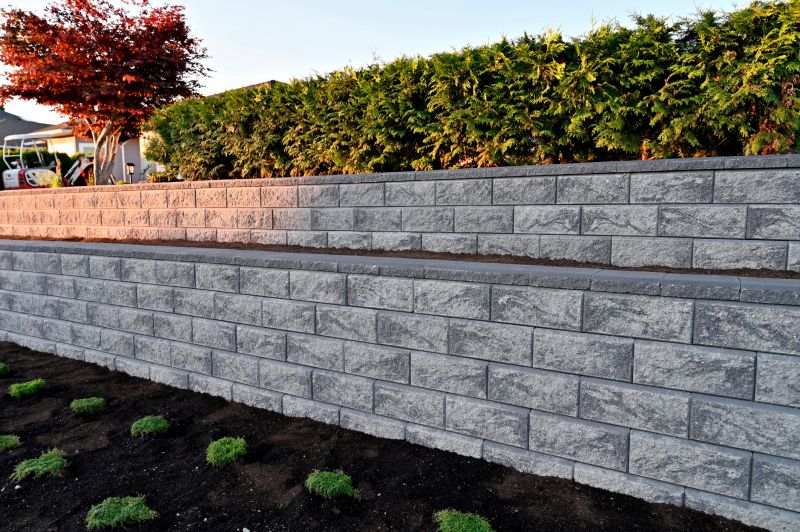
When evaluating service providers for retaining wall replacement, it’s important to consider their experience with similar projects. Homeowners should look for local contractors who have a proven track record of handling retaining walls comparable in size, material, and complexity. An experienced professional will be familiar with common challenges and best practices, which can contribute to a smoother process and a more durable result. Asking for examples of past projects or references related to retaining walls can provide valuable insight into their expertise and reliability in completing similar work.
Clear, written expectations are essential to ensure that both the homeowner and the contractor are aligned on the scope of work, materials, and project outcomes. When comparing local pros, it’s helpful to review their proposals or estimates carefully, looking for detailed descriptions of what will be included. This documentation should outline the materials to be used, the work process, and any warranties or guarantees offered. Having a well-defined plan helps prevent misunderstandings and makes it easier to assess whether a particular service provider’s approach matches the homeowner’s needs.
Good communication and reputable references are key indicators of a trustworthy contractor. Homeowners should seek out local service providers who are known for responsive and transparent communication throughout the project. Asking for references or reviews from previous clients can help gauge the contractor’s professionalism and the quality of their work. A contractor who maintains open lines of communication and has positive feedback from past customers is more likely to deliver a satisfactory experience. It’s important to remember that this site introduces homeowners to local options, not that it performs the work itself, so taking the time to compare these qualities among different pros can lead to a more confident decision.
Property owners use Retaining Wall Replacement services for practical projects around their homes and businesses. This guide focuses on everyday jobs and straightforward project options.
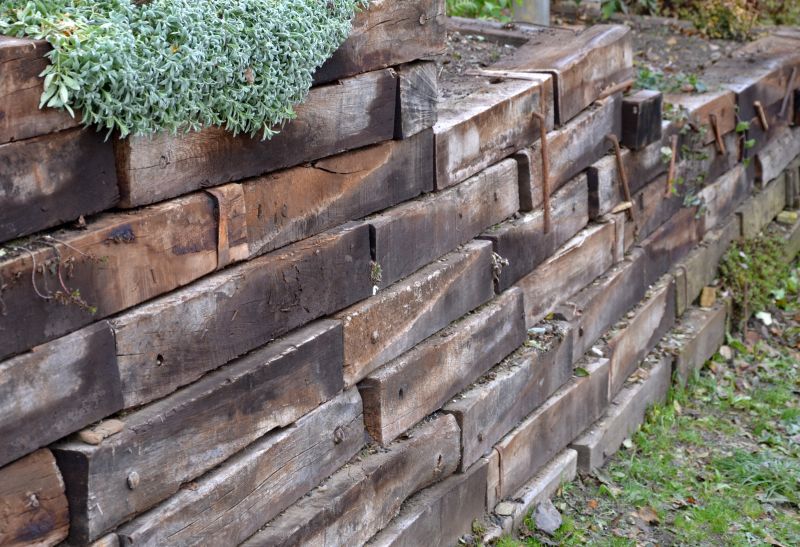
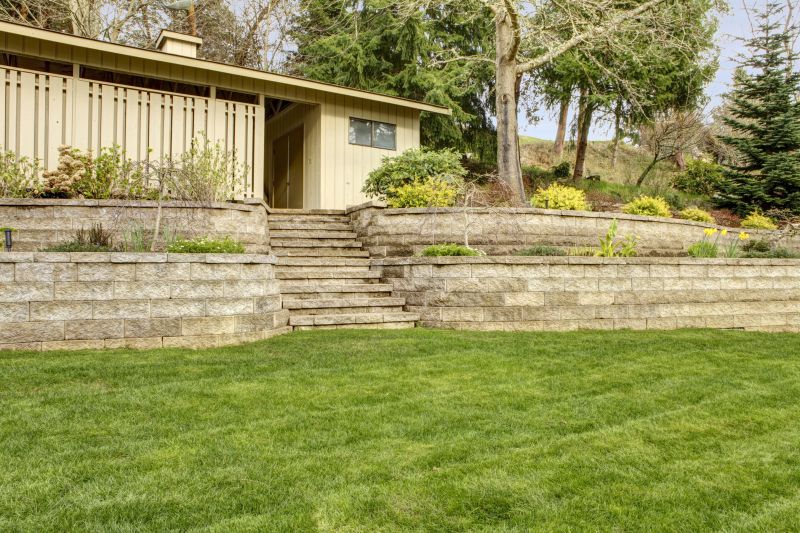
Retaining wall replacement services are often needed when existing walls become damaged, unstable, or no longer serve their intended purpose. Property owners might notice signs of shifting, cracking, or leaning in their current walls, which can pose safety concerns or affect the appearance of their landscape. Local contractors can assess these issues and provide solutions to restore stability and improve the overall look of the property, ensuring that outdoor spaces remain functional and attractive.
In addition, property owners may seek retaining wall replacements due to changes in their landscape or property use, such as adding new features or addressing erosion problems. Over time, natural wear and weather conditions can weaken walls, making replacement necessary to maintain safety and durability. Local service providers are equipped to handle these projects, offering expertise in installing new walls that complement the existing landscape and meet the property's specific needs.
What are common signs that a retaining wall needs replacement? Signs include leaning, cracking, bulging, or sections falling apart, which indicate structural issues requiring professional assessment.
How do professionals typically replace a retaining wall? Contractors usually remove the old wall, prepare the foundation, and install a new wall using appropriate materials like concrete, stone, or timber to ensure stability.
What materials are used for retaining wall replacement? Common materials include concrete blocks, natural stone, treated timber, and segmental retaining wall units, chosen based on the site and design needs.
Can a retaining wall be rebuilt without affecting the surrounding landscape? Yes, experienced service providers can plan and execute replacements to minimize disturbance to the landscape and existing structures.
What should be considered when choosing a contractor for retaining wall replacement? Consider their experience, reputation, and ability to handle the specific type of wall needed to ensure a quality replacement process.
Garden Bed Support - Retaining walls can create defined garden beds and prevent soil erosion around plants and shrubs.
Leveling Sloped Areas - They help transform uneven yards into functional, level spaces for patios or lawns.
Property Boundary Definition - Retaining walls can mark property lines and improve privacy between neighboring properties.
Erosion Control Solutions - Local contractors can install walls that protect foundations and landscape features from water runoff.
If you are thinking about Retaining Wall Replacement for a property, this guide is meant to help you understand the work, the typical project types, and how different options might fit your plans.
When you are ready, you can use the quote form on this page to share a few details about your project. From there, local pros can review the basics and respond with options that match what you have in mind.