
Get Dead Tree Removal
Dead Tree Removal services help property owners safely remove dead or hazardous trees, stump grinding, and prepare landscapes for safety and aesthetic improvement.
If you're considering dead tree removal, you're in the right place to explore your options. Removing hazardous or decayed trees can be an important step in maintaining the safety and appearance of a property, especially in areas prone to storms or high winds. Property owners often seek professional assistance to ensure the job is done efficiently and safely, whether to prevent potential damage, improve landscape aesthetics, or prepare for future development projects. Continuing to read can help you compare local contractors and find the right support for your specific needs.
Connecting with experienced local service providers can simplify your planning process and give you confidence in selecting a team suited to your project. Many property owners find value in evaluating different options to understand the scope of work and services available in their area. Keep exploring to discover trusted local contractors who can handle dead tree removal professionally, helping you make informed decisions for your property’s upkeep and safety.
- Dead Tree Removal - needed when a tree has become dead or severely damaged and poses a risk to property or safety.
- Hazard Tree Clearing - required when dead or dying trees threaten power lines, structures, or public spaces.
- Storm Damage Cleanup - necessary after severe weather events have left dead or fallen trees on your property.
- Tree Health Assessment - performed when signs of disease or decay indicate a tree may soon become a hazard.
- Property Line Clearing - needed to remove dead trees that encroach on neighboring properties or violate local regulations.
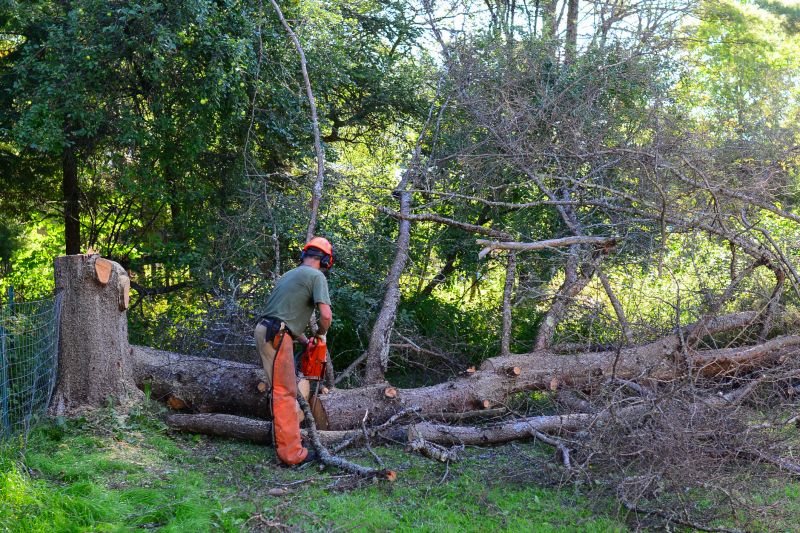
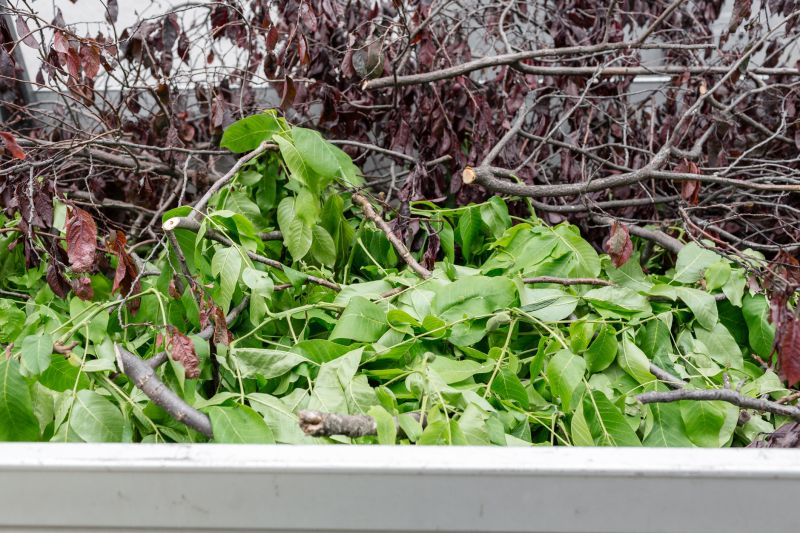
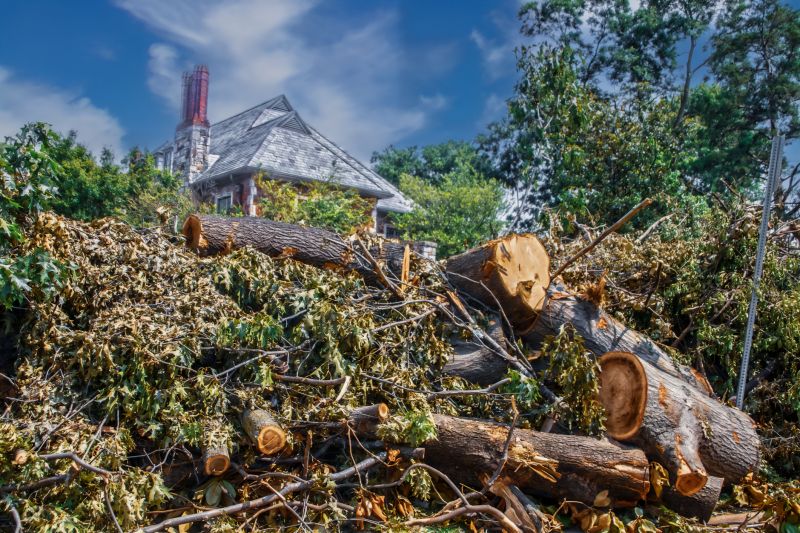
Dead tree removal services involve the careful and efficient removal of trees that are dead, decaying, or posing a risk to property or safety. These services typically include assessing the condition of the tree, planning a safe removal process, and using specialized equipment to cut and dismantle the tree without damaging surrounding areas. Professional contractors ensure that the removal is performed safely and responsibly, often handling the cleanup and disposal of the debris afterward. This service is essential for maintaining the safety and appearance of a property, especially when a tree’s health has significantly declined.
Removing dead or dying trees helps address several common problems. A dead tree can become a hazard if branches or the entire trunk fall unexpectedly, potentially causing damage to structures, vehicles, or injuring people nearby. Additionally, decaying trees can attract pests or fungi that may spread to healthy plants or trees on the property. Overgrown or hazardous trees can also block sunlight, interfere with utility lines, or create an unsightly appearance. Dead tree removal services help mitigate these issues, promoting a safer and more attractive outdoor environment.
This type of service is frequently used on residential properties, including single-family homes and multi-unit complexes. It is also common on commercial properties such as office parks, retail centers, and industrial sites. Properties with large, mature trees are more likely to require dead tree removal, especially if the trees show signs of disease, decay, or structural weakness. Homeowners and property managers turn to local contractors for professional assistance in removing trees that threaten safety or diminish curb appeal, ensuring the property remains safe and visually appealing.
Identifying when dead tree removal is needed can prevent potential hazards and property damage. Signs include visible decay, broken or hanging branches, cracks in the trunk, or the absence of leaves during the growing season. If a tree appears to be struggling or shows obvious signs of decay, it is advisable to contact local service providers for an assessment. These professionals can determine whether removal is necessary and handle the process efficiently, helping property owners maintain a safe and well-maintained outdoor space.
The overview below groups typical Dead Tree Removal projects into broad ranges so you can see how smaller, mid-sized, and larger jobs often compare in your area.
In many markets, a large share of routine jobs stays in the lower and middle ranges, while only a smaller percentage of projects moves into the highest bands when the work is more complex or site conditions are harder than average.
Smaller Tree Removals - for routine removals of individual trees or small clusters, local contractors typically charge between $250 and $600. Many jobs fall within this range, especially for trees that are easily accessible and healthy.
Medium-Sized Tree Removal - larger trees or those in more challenging locations usually cost between $600 and $1,500. These projects are common and represent a significant portion of typical tree removal jobs.
Large or Hazardous Tree Removal - for very large trees or those requiring special equipment, costs often range from $1,500 to $3,000. Fewer projects reach this tier, often involving additional safety measures or complex access issues.
Full Property Tree Clearance - complete removal of multiple trees across a property can vary widely, with prices starting around $3,000 and exceeding $5,000 for extensive or difficult terrain projects. These are less common and usually involve comprehensive planning and equipment.
Actual totals will depend on details like access to the work area, the scope of the project, and the materials selected, so use these as general starting points rather than exact figures.
Tree Trimming and Pruning - this project involves removing specific branches to improve tree health and safety, requiring similar skills and tools as dead tree removal.
Stump Grinding and Removal - removing remaining stumps after tree removal involves specialized equipment and planning comparable to dead tree extraction.
Land Clearing Services - clearing overgrown areas or removing multiple trees involves planning and equipment use akin to dead tree removal projects.
Emergency Tree Care - handling fallen or hazardous trees requires quick assessment and specialized tools, similar to dead tree removal procedures.
Tree Cabling and Bracing - providing support for weakened trees involves understanding tree structure and planning, related to dead tree management.
Hazard Tree Assessment - evaluating tree stability and risk involves planning and safety considerations similar to those in dead tree removal services.
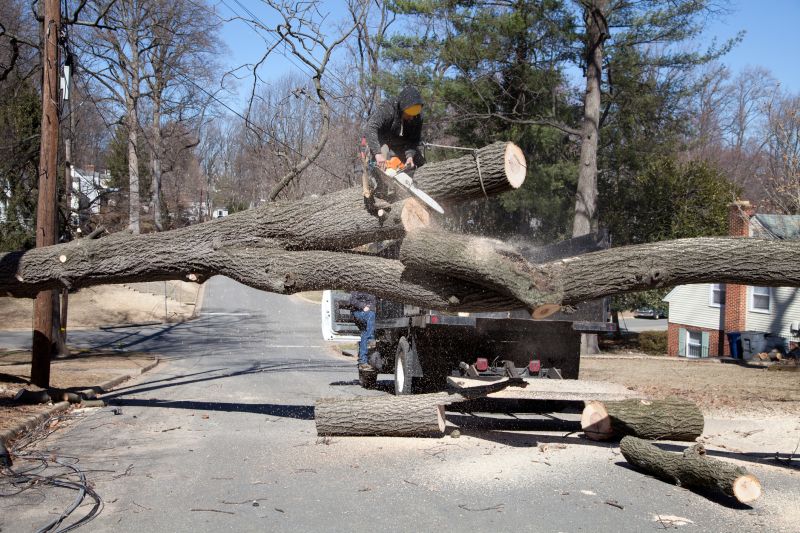
When evaluating potential service providers for dead tree removal, it’s important to consider their experience with similar projects. Homeowners should look for local contractors who have a proven track record of handling tree removal jobs comparable in size and complexity. An experienced professional is more likely to be familiar with the nuances of safely and effectively removing dead or hazardous trees, which can help ensure the work is completed properly and with fewer surprises.
Clear written expectations are also a key factor when comparing local pros. Homeowners should seek providers who can offer detailed estimates or scope of work that outline what is included and what is not. Having this information in writing helps prevent misunderstandings and provides a basis for assessing whether the service provider’s approach aligns with the project’s needs. Good communication throughout the process is essential, as it allows for questions to be addressed promptly and ensures that expectations remain aligned from start to finish.
Reputable references and reviews can offer valuable insights into the reliability and quality of a service provider’s work. Homeowners are encouraged to ask for references or look for feedback from previous clients who had similar dead tree removal projects. Reliable local contractors typically have a history of satisfied customers and transparent communication, which can help build confidence in their ability to handle the job. It’s important to remember that this site introduces homeowners to local options for dead tree removal services but does not perform the work itself; choosing the right professional involves comparing these key qualities to find a trusted and capable partner for the project.
Property owners use Dead Tree Removal services for practical projects around their homes and businesses. This guide focuses on everyday jobs and straightforward project options.
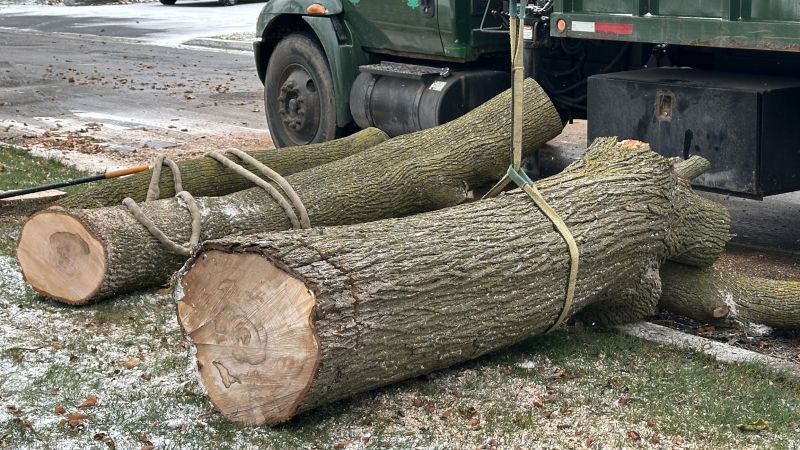
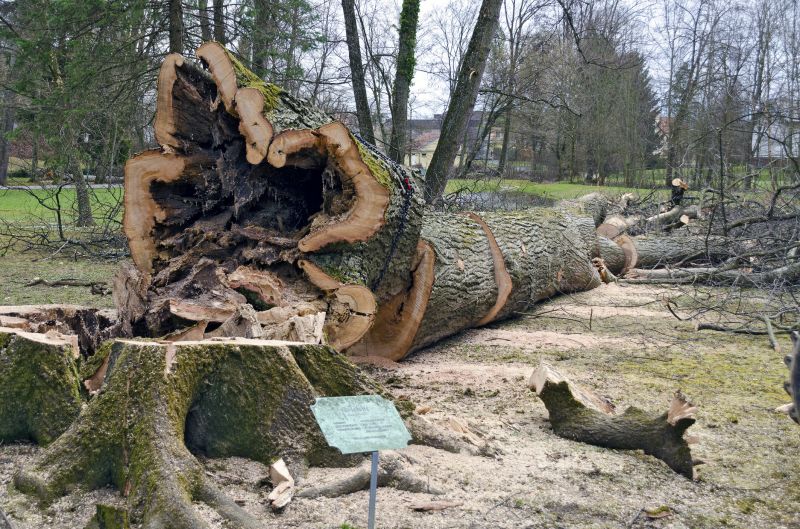
Dead tree removal is a common need for property owners dealing with trees that have become diseased, damaged, or pose a safety risk. Whether a tree has fallen after a storm, shows signs of decay, or is crowding other plants and structures, local contractors can provide the expertise needed to safely remove these hazards. Clearing out dead or dying trees can help prevent potential property damage and create a safer environment around homes, businesses, or public spaces.
In addition to safety concerns, property owners might seek dead tree removal to improve the overall appearance of their landscape or to prepare the area for new planting or construction projects. Local service providers can handle the entire process, from assessing the situation to safely dismantling and removing unwanted trees. This work often becomes a priority when dead trees interfere with property aesthetics or access, making it a common project for those looking to maintain or enhance their outdoor spaces.
What is dead tree removal? Dead tree removal involves the process of safely taking down trees that are no longer living and may pose safety risks to nearby property or people.
Why should I consider removing a dead tree? Removing a dead tree can prevent potential hazards such as falling branches or the entire tree falling, which could cause property damage or injury.
How do local contractors handle dead tree removal? Local service providers typically assess the tree's condition, plan a safe removal process, and utilize appropriate equipment to remove the tree efficiently and safely.
Is dead tree removal necessary for my property’s safety? If a dead tree is located near structures, pathways, or power lines, professional removal is recommended to mitigate safety risks.
Can dead tree removal damage surrounding landscaping? Reputable local contractors take care to protect surrounding plants and landscape features during the removal process.
Improve Yard Safety - Remove dead trees to prevent potential hazards from falling branches or trees during storms.
Enhance Curb Appeal - Clear away dead trees to make outdoor spaces look well-maintained and inviting.
Create Space for New Landscaping - Remove dead trees to open up areas for planting new trees, shrubs, or garden features.
Protect Property Structures - Eliminate dead trees that are close to buildings to reduce the risk of damage from falling limbs.
If you are thinking about Dead Tree Removal for a property, this guide is meant to help you understand the work, the typical project types, and how different options might fit your plans.
When you are ready, you can use the quote form on this page to share a few details about your project. From there, local pros can review the basics and respond with options that match what you have in mind.