Affordable Ground Restoration Service
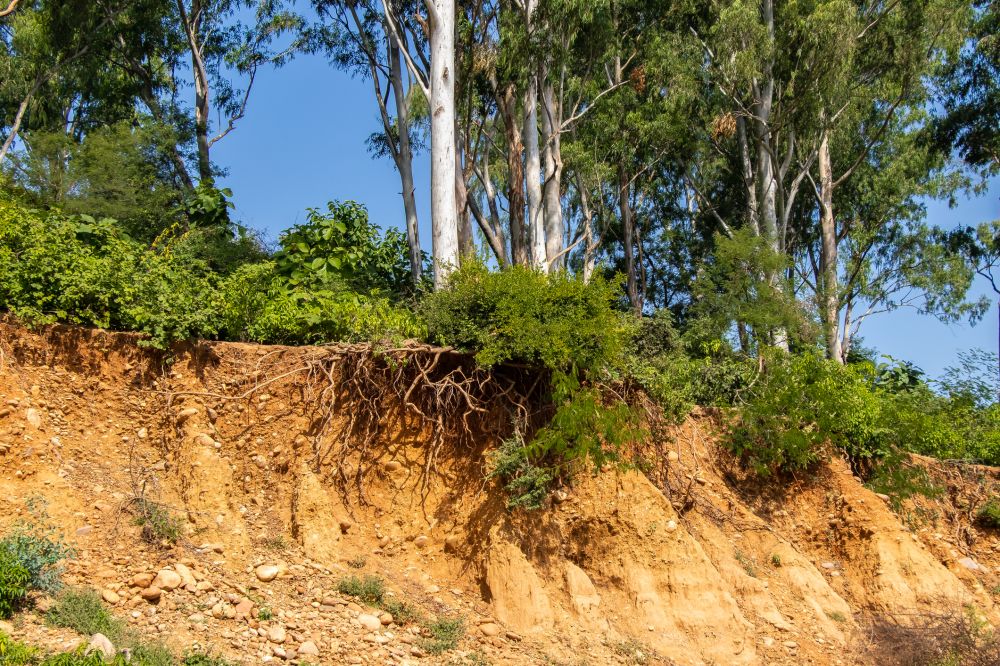
Ground restoration is a crucial environmental process focused on rehabilitating and revitalizing land that has been degraded, damaged, or contaminated. This practice involves various techniques, including soil stabilization, vegetation planting, and remediation of pollutants, to restore the land to its natural state or prepare it for productive use. Ground restoration plays a vital role in maintaining ecological balance, enhancing biodiversity, and ensuring sustainable land use. It mitigates the negative impacts of industrial activities, urbanization, and natural disasters, which can lead to soil erosion, loss of habitat, and reduced land productivity. By investing in ground restoration, communities can improve environmental health, support wildlife habitats, and foster economic growth through agriculture and tourism. The importance of ground restoration cannot be overstated, as it directly contributes to the resilience and sustainability of ecosystems, ensuring that future generations inherit a healthy planet.
Benefits of Ground Restoration
-
Environmental Health Improvement
Ground restoration significantly improves environmental health by reducing soil erosion and preventing pollution. Restored land can better support plant life, which in turn enhances air quality and stabilizes the ecosystem. -
Biodiversity Enhancement
By restoring degraded areas, ground restoration helps reintroduce native plant and animal species, thereby increasing biodiversity. This is crucial for maintaining ecological balance and supporting a wide range of life forms. -
Economic Benefits
Restored land can be used for agriculture, forestry, or tourism, providing economic opportunities for local communities. This can lead to job creation and increased income, fostering sustainable economic development. -
Climate Change Mitigation
Healthy, restored land plays a role in sequestering carbon dioxide, helping to mitigate the effects of climate change. By enhancing vegetation cover, ground restoration contributes to reducing greenhouse gas concentrations in the atmosphere. -
Water Quality Improvement
Ground restoration can improve water retention and filtration, leading to better water quality. Healthy soils and vegetation act as natural filters, reducing runoff and preventing contaminants from entering water bodies. -
Increased Land Value
Areas that undergo ground restoration often experience an increase in land value. Restored landscapes are more attractive and functional, making them desirable for various uses, including residential and commercial development.
Fill out our contact form today to request our Ground Restoration service and contribute to a healthier, more sustainable environment.